
Tensile Strength: Machine Stretch vs. Other Films
Source:Tensile Strength: Machine Stretch vs. Other FilmsTime:2025-12-02Visitors:
Machine stretch film exhibits superior tensile strength compared to traditional (handy) stretch film and other common packaging films like shrink wrap, due to its specialized polymer composition and manufacturing processes designed to withstand high pre-stretch forces while maintaining optimal load containment and puncture resistance.
In the world of packaging, tensile strength is a critical property that dictates a film's ability to withstand pulling forces without breaking. For stretch film, this characteristic is paramount, directly influencing load stability, material efficiency, and overall packaging integrity. While many types of films exist for various packaging needs, machine stretch film stands out due to its engineered superiority in tensile strength, a feature that sets it apart from its manual counterparts and other common packaging materials. Understanding these differences is key to selecting the most effective and cost-efficient film for your specific application.
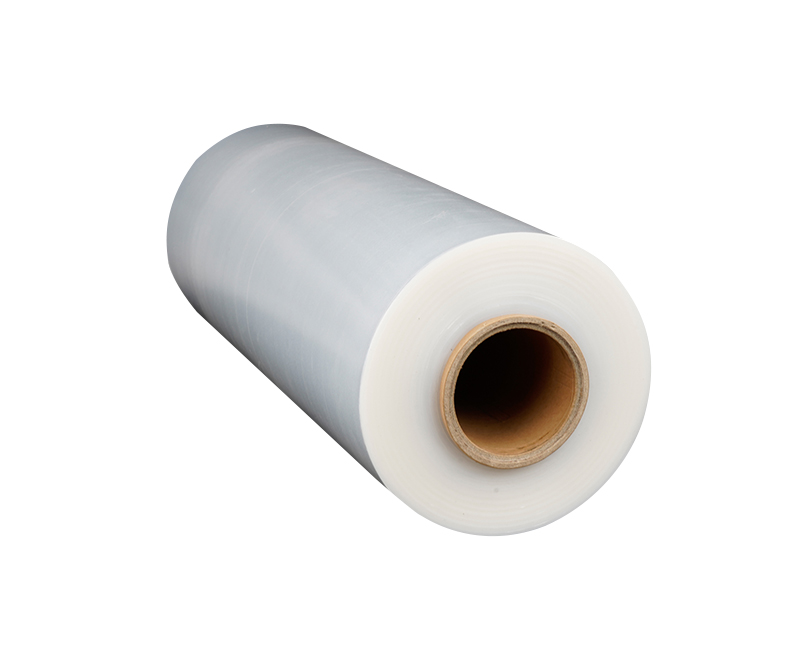
Table of Contents
-
How Does Machine Stretch Film Achieve Superior Tensile Strength?
-
How Does Machine Stretch Film's Tensile Strength Compare to Handy Stretch Film?
-
How Does Machine Stretch Film's Tensile Strength Compare to Shrink Wrap?
-
What are the Practical Implications of High Tensile Strength for Packaging?
-
How Does Tensile Strength Impact Film Gauge and Material Usage?
1. What is Tensile Strength in Packaging Films?
Are you clear on what tensile strength means for your packaging? Tensile strength in packaging films refers to the maximum stress a film can withstand while being stretched or pulled before it breaks, indicating its resistance to tearing and its ability to maintain integrity under tension, which is crucial for load containment.
1.1 Definition and Importance
Tensile strength is a fundamental mechanical property of materials, defined as the maximum amount of tensile (pulling) stress that a material can take before breaking or failing. In packaging films, it's typically measured in pounds per square inch (psi) or megapascals (MPa). For stretch film, high tensile strength is vital because the film is intentionally stretched during application to create containment force around a pallet load. A film with insufficient tensile strength would break prematurely during stretching, rendering it ineffective.
-
Example 1: Rubber Band Analogy: Imagine a rubber band. Its tensile strength allows it to stretch significantly before snapping. A weak rubber band would snap with minimal pulling.
-
Example 2: Load Containment: A film with high tensile strength can be stretched tightly around a pallet, providing the necessary compressive force to keep the load stable without tearing.
1.2 Relationship with Elongation and Puncture Resistance
While distinct, tensile strength is closely related to other critical film properties like elongation at break (how much a film can stretch before breaking) and puncture resistance (how well a film resists penetration by sharp objects). Generally, films designed for high tensile strength also exhibit good elongation and puncture resistance, as these properties often stem from similar polymer structures and manufacturing techniques. Dongguan Zhiteng Plastic Products Co., Ltd. highlights "excellent tensile strength" and "high shrinkage" as core advantages of their films, indicating a balance of these properties.
-
Example 1: Balanced Properties: A high-performance machine film will not only have high tensile strength but also sufficient elongation to conform to irregular loads and good puncture resistance to withstand sharp corners.
-
Example 2: Film Gauge: Thinner films with high tensile strength can often outperform thicker, lower-tensile-strength films in terms of containment and puncture resistance, leading to material savings.
Practical advice for understanding tensile strength is to look beyond a single number. Consider it in conjunction with elongation and puncture resistance to get a complete picture of a film's performance capabilities.
2. How Does Machine Stretch Film Achieve Superior Tensile Strength?
Are you wondering what makes machine film so strong? Machine stretch film achieves superior tensile strength through a combination of advanced polymer formulations, multi-layer co-extrusion processes, and precise manufacturing controls that align polymer chains, creating a film specifically engineered to withstand the high forces of pre-stretch equipment.
2.1 Advanced Polymer Formulations
The foundation of machine stretch film's strength lies in its polymer composition. Manufacturers like Dongguan Zhiteng Plastic Products Co., Ltd. utilize specialized grades of linear low-density polyethylene (LLDPE) and metallocene catalysts. These polymers offer superior molecular integrity and flexibility, allowing the film to be stretched significantly without breaking. The precise blend of these resins is crucial for achieving the desired balance of tensile strength, elongation, and cling.
-
Example 1: Metallocene LLDPE: Films made with metallocene LLDPE often exhibit higher tensile strength and puncture resistance compared to traditional LLDPE, allowing for thinner, stronger films.
-
Example 2: Resin Blends: Different resin blends are used to fine-tune properties, for instance, adding a specific polymer to enhance tear resistance while maintaining high tensile strength.
2.2 Multi-Layer Co-extrusion and Orientation
Modern machine stretch films are typically produced using a multi-layer co-extrusion process. This involves extruding several distinct layers of polymer simultaneously, each contributing specific properties (e.g., one layer for cling, another for strength, another for puncture resistance). During extrusion, the film is often stretched or "oriented" in one or more directions, which aligns the polymer chains and significantly increases the film's tensile strength in the direction of stretch.
-
Example 1: 3-Layer Film: A common machine film might have a cling layer, a core strength layer, and an outer slip layer, each optimized for its function.
-
Example 2: Machine Direction Orientation: The film is stretched in the machine direction during manufacturing, pre-aligning the molecules to better withstand the pre-stretch forces applied by the wrapper.
Practical advice for understanding film strength is to inquire about the film's construction (e.g., 3-layer, 5-layer, 7-layer) and the types of polymers used, as these directly correlate with its performance characteristics.
3. How Does Machine Stretch Film's Tensile Strength Compare to Handy Stretch Film?
Are you comparing the strength of machine vs. hand film? Machine stretch film possesses significantly higher tensile strength than handy (manual) stretch film because it is engineered to withstand the extreme forces of mechanical pre-stretch, whereas handy film is designed for minimal manual stretching and does not require the same level of inherent strength.
3.1 Designed for Different Applications
The fundamental difference in tensile strength stems from their intended application. Machine stretch film is designed to be stretched by a powered pre-stretch carriage on a stretch wrapper, which can elongate the film by 200-300% or more. To endure these forces without breaking, machine film must have very high inherent tensile strength. Handy film, on the other hand, is designed for manual application, where operators can only achieve a modest stretch (typically 10-50%) using physical effort. Requiring less stretch, handy film does not need the same level of tensile strength.
-
Example 1: Pre-Stretch Capability: A machine film might have a guaranteed pre-stretch of 250%, meaning it can be stretched 3.5 times its original length. A handy film would snap long before reaching this level of stretch.
-
Example 2: Containment Force: Even a thinner gauge machine film, due to its high tensile strength and pre-stretch, can provide superior containment force compared to a much thicker handy film.
3.2 Impact on Film Gauge and Performance
Because of its superior tensile strength, machine stretch film can often be produced in thinner gauges (e.g., 15-micron) while still providing excellent load containment and puncture resistance. A handy film would need to be significantly thicker (e.g., 23-micron or more) to achieve comparable performance, leading to higher material consumption and cost per pallet. Zhiteng's "machine stretch film" is engineered for this efficiency.
-
Example 1: Cost Savings: A company switching from 23-micron handy film to 15-micron machine film might see a 30-40% reduction in film material costs per pallet, thanks to the machine film's higher tensile strength and pre-stretch capabilities.
-
Example 2: Load Security: For heavy or unstable loads, the higher tensile strength of machine film ensures a more secure and stable pallet, reducing damage during transit.
Practical advice for comparing films is to focus on the "effective gauge" or "performance gauge" rather than just the nominal gauge. A 15-micron machine film with 250% pre-stretch might perform like a 30-micron handy film.
4. How Does Machine Stretch Film's Tensile Strength Compare to Shrink Wrap?
Are you choosing between stretch and shrink film? Machine stretch film's tensile strength is optimized for elastic recovery and containment force, allowing it to stretch and rebound to secure a load, whereas shrink wrap relies on heat-induced shrinkage to conform tightly to a product, making their tensile strength characteristics fundamentally different for distinct applications.
4.1 Different Mechanisms of Containment
The primary difference in how these films achieve containment dictates their tensile strength requirements.
-
Stretch Film: Relies on its elastic properties and tensile strength. It is stretched around a load, and its elastic memory (rebound force) provides the compressive force that holds the load together. High tensile strength is crucial to withstand this stretching and maintain the rebound force.
-
Shrink Wrap: Relies on heat. The film is loosely applied to a product, and then heat is applied, causing the film to shrink tightly around the product. While it has some tensile strength, its primary function isn't to be stretched significantly during application, but rather to shrink.
-
Example 1: Pallet Unitization: Machine stretch film is ideal for unitizing entire pallets, using its tensile strength to compress and stabilize the load.
-
Example 2: Product Bundling: Shrink wrap is often used for bundling multiple small items (e.g., beverage cans) or for individual product packaging, where a tight, conforming seal is desired.
4.2 Material Composition and Properties
The polymer compositions for stretch film and shrink wrap are also optimized for their respective functions. Stretch film is typically LLDPE-based, designed for high elasticity and tensile strength. Shrink wrap can be made from various polymers like polyolefin, PVC, or polyethylene, each formulated to achieve specific shrinkage rates and clarity when heated. While shrink wrap has sufficient tensile strength to resist tearing after shrinking, it's not designed for the same degree of pre-stretch as machine stretch film.
-
Example 1: Polyolefin Shrink Film: Known for its clarity and strong seals, it's excellent for retail packaging but would not perform well as a pallet stretch film.
-
Example 2: PVC Shrink Film: Offers good conformability and low cost but has environmental concerns and is less durable than polyolefin. Zhiteng also produces "PVC wire film," indicating their expertise in various film types.
Practical advice for choosing between films is to consider the primary goal: Is it to unitize a pallet with compressive force (stretch film) or to tightly conform to a product with heat (shrink wrap)?
5. What are the Practical Implications of High Tensile Strength for Packaging?
Are you aware of how film strength impacts your operations? High tensile strength in machine stretch film has practical implications for packaging, including superior load stability, reduced film consumption, enhanced puncture resistance, and the ability to secure heavier or more challenging loads, leading to greater efficiency and cost savings.
5.1 Superior Load Stability and Security
The most direct practical implication of high tensile strength is the ability to create a more stable and secure pallet load. When a film can be stretched tightly and maintain that tension, it provides a strong compressive force that holds all items on the pallet together. This minimizes shifting, leaning, and potential collapse during handling, storage, and transit, significantly reducing product damage.
-
Example 1: Heavy Machinery: Pallets carrying heavy, dense items require a film with very high tensile strength to prevent movement and ensure the load remains intact.
-
Example 2: Irregular Loads: For pallets with varying box sizes or protruding elements, high tensile strength allows the film to conform tightly and secure the entire load without tearing.
5.2 Reduced Film Consumption and Enhanced Puncture Resistance
High tensile strength enables significant pre-stretch, meaning less film from the roll is needed per pallet. This directly translates to material cost savings. Furthermore, films with high tensile strength often exhibit better puncture and tear resistance. This means they are less likely to break when encountering sharp corners or rough edges on a pallet, ensuring continuous containment and reducing film waste.
-
Example 1: Material Savings: A company using a high-tensile machine film with 250% pre-stretch will use 2.5 times less film from the roll than if they were manually wrapping with minimal stretch.
-
Example 2: Fewer Film Breaks: In a busy warehouse, fewer film breaks mean less downtime for the stretch wrapper and less wasted film, improving operational efficiency. Zhiteng's "pre-stretched film" is designed for this efficiency.
Practical advice for leveraging high tensile strength is to ensure your stretch wrapper is properly calibrated to achieve the maximum effective pre-stretch for your chosen film, thereby maximizing material savings and load security.
6. How Does Tensile Strength Impact Film Gauge and Material Usage?
Are you trying to optimize film thickness? Tensile strength directly impacts film gauge and material usage by allowing manufacturers to produce thinner films that still provide robust containment, as higher tensile strength means less material is needed to achieve the required load security, leading to significant material cost savings.
6.1 The "Performance Gauge" Concept
In the past, thicker film was synonymous with stronger film. However, with advancements in polymer science and manufacturing, films with higher tensile strength can be produced in much thinner gauges. This has led to the concept of "performance gauge" or "effective gauge," where a thinner, high-tensile film can outperform a thicker, lower-tensile film. This means businesses can often down-gauge their film (e.g., from 23-micron to 15-micron) without sacrificing load stability, thanks to the superior tensile strength of modern machine films.
-
Example 1: Down-Gauging: A company previously using a 23-micron handy film might switch to a 15-micron machine film. Due to the machine film's higher tensile strength and pre-stretch, it provides equal or better containment with significantly less material.
-
Example 2: Environmental Impact: Using thinner films with high tensile strength also reduces the amount of plastic waste, contributing to environmental sustainability. Zhiteng acknowledges "environmental performance" as a concern for plastic film manufacturers.
6.2 Economic and Environmental Benefits
The ability to use thinner films with high tensile strength translates directly into economic and environmental benefits. Economically, less material per pallet means lower film costs. Environmentally, using less plastic reduces waste and the carbon footprint associated with film production and disposal. This aligns with the growing industry focus on sustainability.
-
Example 1: Reduced Shipping Costs: Lighter film rolls mean lower shipping costs for the film itself.
-
Example 2: Less Storage Space: Thinner films often come on longer rolls, meaning fewer roll changes and less storage space required for film inventory.
Practical advice for optimizing film gauge is to work with your film supplier to conduct a film audit. They can recommend the optimal gauge and type of machine film based on your specific load requirements and stretch wrapper capabilities.
7. What Testing Methods Are Used to Measure Tensile Strength?
Are you curious how film strength is verified? Tensile strength in stretch film is typically measured using standardized laboratory testing methods, such as ASTM D882, where a film sample is pulled at a constant rate until it breaks, and the maximum stress it withstands is recorded, ensuring consistent and reliable performance data.
7.1 ASTM D882 Standard Test Method
The most common and widely accepted method for measuring the tensile properties of thin plastic sheeting, including stretch film, is ASTM D882. This standard outlines the procedure for preparing film samples (e.g., specific dimensions), the equipment to be used (a universal testing machine), and how to conduct the test. A film sample is clamped between two grips, and one grip moves at a constant speed, stretching the film until it breaks. The machine records the force applied and the elongation.
-
Example 1: Quality Control: Film manufacturers regularly perform ASTM D882 tests on their production batches to ensure the film meets specified tensile strength and elongation targets.
-
Example 2: Product Development: During R&D, different polymer blends or film constructions are tested using ASTM D882 to compare their tensile properties and optimize performance.
7.2 Machine Direction (MD) vs. Transverse Direction (TD)
Tensile strength is often measured in two directions: Machine Direction (MD), which is parallel to the direction the film was extruded, and Transverse Direction (TD), which is perpendicular to the extrusion direction. Films can exhibit different tensile strengths in these two directions due to the orientation of polymer chains during manufacturing. For stretch film, MD tensile strength is particularly important as it's the direction in which the film is primarily stretched by the wrapper.
-
Example 1: Anisotropic Film: A film might have higher tensile strength in the MD than the TD, indicating it's designed to be stretched primarily along its length.
-
Example 2: Balanced Film: Some films are designed to have more balanced tensile properties in both MD and TD for specific applications.
Practical advice for interpreting test results is to always ask for both MD and TD tensile strength values, as well as elongation at break, to get a complete understanding of the film's mechanical properties.
Conclusion
Tensile strength is a cornerstone property for effective packaging films, and machine stretch film consistently demonstrates superior performance in this regard. Its advanced polymer formulations, multi-layer co-extrusion, and precise manufacturing processes engineer a film specifically designed to withstand extreme pre-stretch forces, setting it apart from handy stretch film and other packaging materials like shrink wrap. This high tensile strength translates directly into practical benefits: enhanced load stability, significant reductions in film consumption through down-gauging, improved puncture resistance, and the ability to secure even the most challenging loads. By understanding and leveraging the superior tensile strength of machine stretch film, businesses can achieve greater packaging efficiency, reduce costs, minimize product damage, and ensure the reliable delivery of goods, all verified through standardized testing methods like ASTM D882.
Recommended Products
Ranked in the same article
- how to use the stretch film technology to r
- How can we get detailed price list?
- Gauge to Micron and Millimetre Conversion G
- Five common quality problems of PE protecti
- Plastic film degradation
- How to guarantee punctual shipment for our
- What is the difference between stretch film
- Testing the permeability of stretch film
- Stretch film temperature requirements
- 2025 Guangzhou Packaging Expo Opens, Zhiten
- Electrical wire film VS electrostatic film
Latest news articles
- What effects can different colours of Color
- Why does stretch film wrinkle when it is us
- Bundling Stretch Film: The Ultimate Guide f
- What is Bundling Stretch Film? Your Packagi
- The Ultimate Guide to Hand Stretch Film: Ev
- Our services
- SWOP - SHANGHAI WORLD OF PACKAGING 2019
- How to identify high quality flexible stret
- Unraveling the Science: What Factors Influe
- how to use the stretch film technology to r
- What Role Does Material Science Play in Enh