
Handy Stretch Film vs Machine Film: Which Wins?
Source:Handy Stretch Film vs Machine Film: Which Wins?Time:2025-11-27Visitors:
Choosing between handy stretch film and machine film can be a critical decision for your packaging operations, directly impacting efficiency and cost. While handy film offers flexibility for lower volumes, machine film excels in speed and consistency for high-throughput environments. The "winner" ultimately depends on your specific operational scale, budget, and packaging requirements.
In the dynamic world of logistics and supply chain management, selecting the right packaging material is paramount. Stretch film, a ubiquitous tool for securing goods, comes in various forms, with handy stretch film and machine film being the two primary categories. Each has distinct characteristics, advantages, and ideal applications. Understanding these differences is key to optimizing your packaging process, reducing costs, and ensuring product safety. Let's dive into a detailed comparison to help you determine which type of stretch film is the best fit for your business.
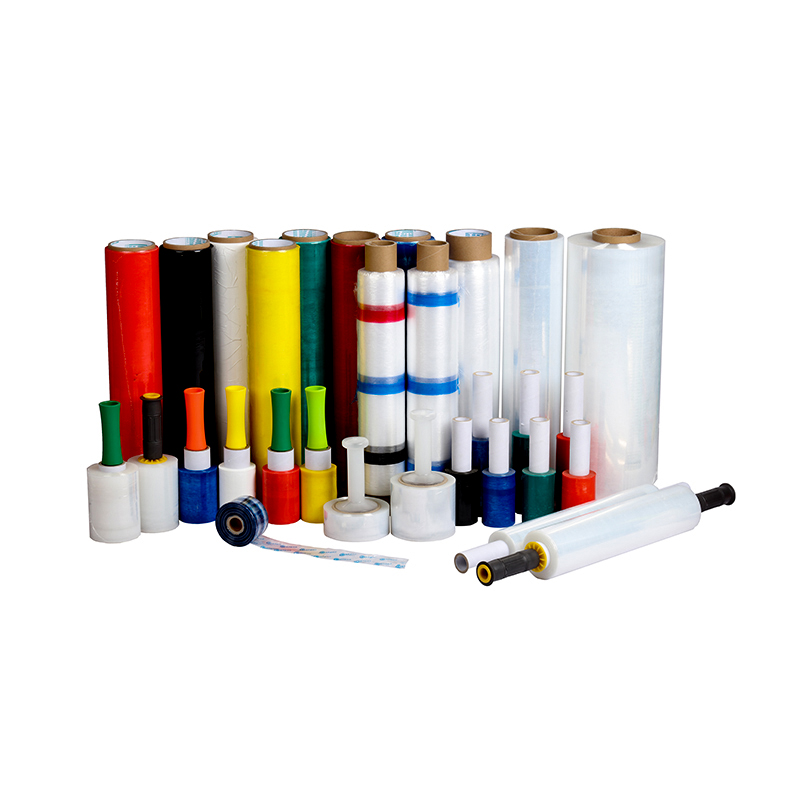
Table of Contents
- What Are the Key Differences Between Handy Stretch Film and Machine Film?
- When Is Handy Stretch Film the Optimal Choice for Packaging?
- When Does Machine Film Offer Superior Advantages for Operations?
- How Do Cost and Efficiency Compare Between Handy and Machine Film?
- What Factors Should Guide Your Decision Between Handy and Machine Film?
1. What Are the Key Differences Between Handy Stretch Film and Machine Film?
Are you confused about the fundamental distinctions between these two common stretch film types? The key differences between handy stretch film and machine film lie in their application method, roll size, film thickness, and stretch capabilities, each designed for distinct operational scales and packaging needs.
1.1 Application Method and Roll Characteristics
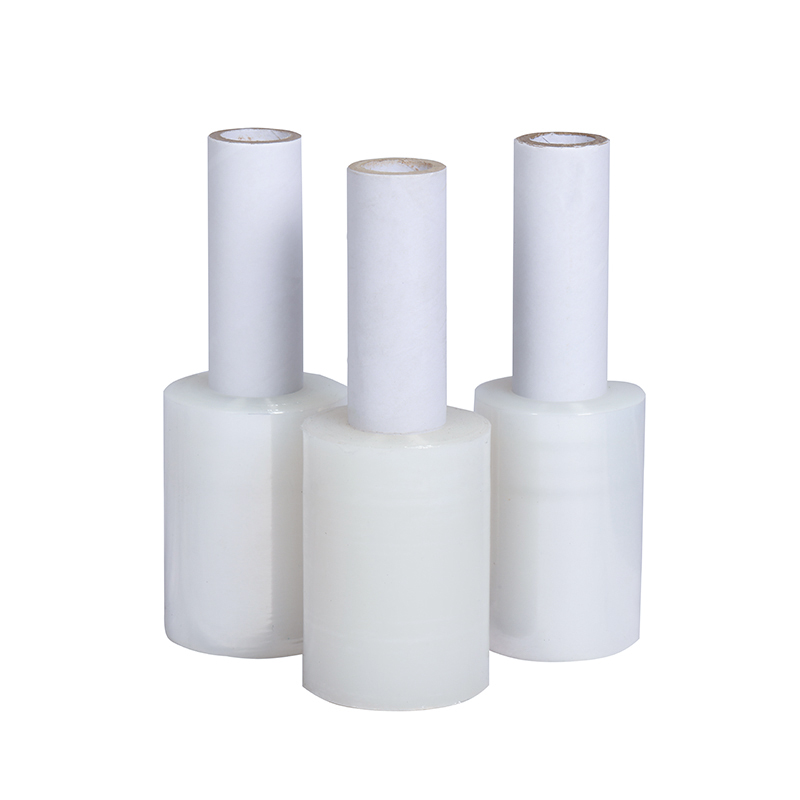
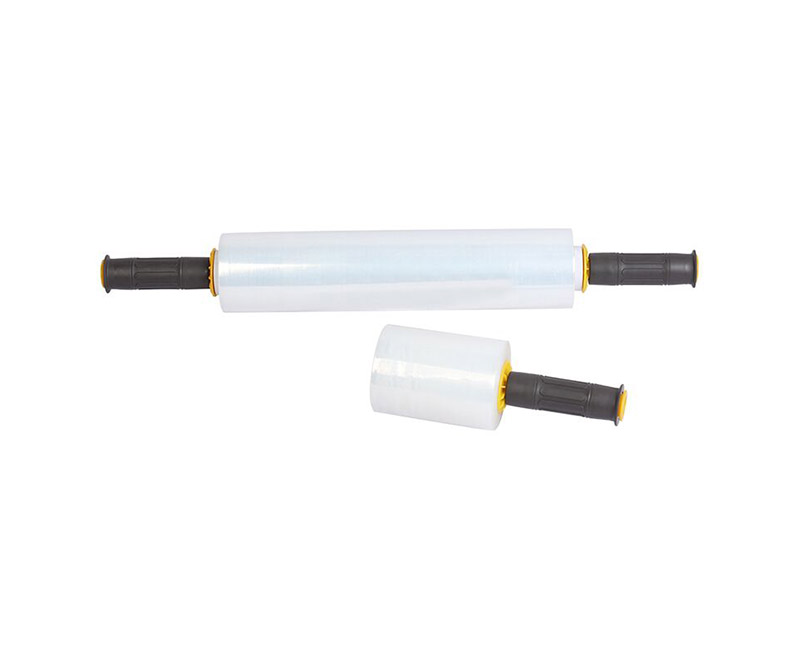
The most apparent distinction between handy stretch film and machine film is their intended application method. Handy stretch film is designed for manual application, typically by an operator walking around a pallet or bundle, using a lightweight dispenser with a handle. These rolls are smaller, lighter, and easier to manage by hand. Dongguan Zhiteng Plastic Products Co., Ltd. offers "handy stretch film" and "handle" accessories, specifically catering to this manual application. In contrast, machine film is engineered for automated or semi-automated stretch wrapping machines. These rolls are significantly larger, heavier, and require specialized equipment for dispensing and application.
- Example 1: Manual Wrapping for Small Batches: A small e-commerce business preparing 10-20 pallets a day would find handy stretch film ideal. An operator can quickly wrap individual items or small pallets, offering flexibility and control without the need for expensive machinery. Zhiteng's "convenient stretch film" is perfect for such scenarios.
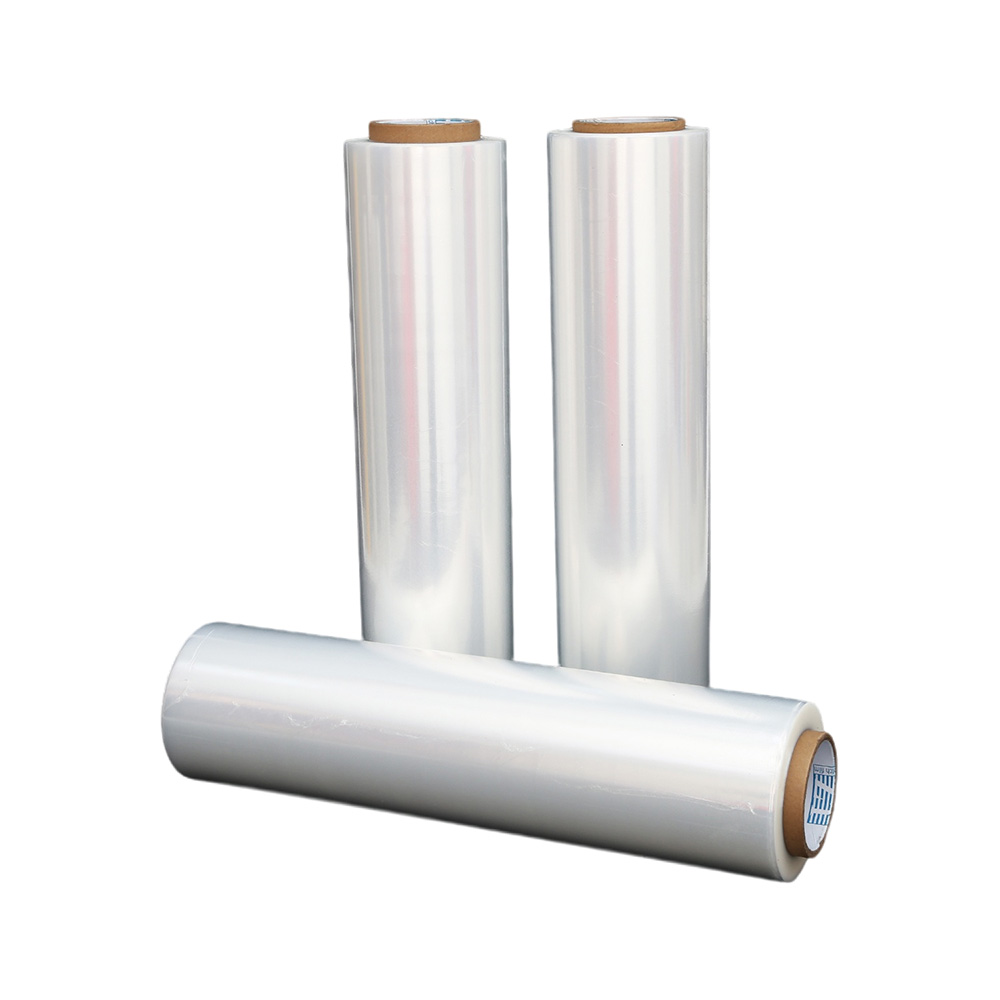
- Example 2: Automated Wrapping for High Volume: A large distribution center processing hundreds of pallets daily would rely on machine film. Automated wrappers can apply film with consistent tension and speed, drastically increasing throughput and reducing manual labor. Zhiteng's "machine stretch film" is designed for these high-speed, high-volume operations, emphasizing "excellent tensile strength" and "high shrinkage."
1.2 Film Properties and Performance
Beyond the application method, the physical properties of the film itself differ to optimize performance for its intended use. Handy stretch film often has higher cling and sometimes a slightly thicker gauge to ensure adequate containment with less consistent manual tension. Its "soft and smooth feel" (as described by Zhiteng) also aids manual application. Machine film, on the other hand, is engineered for maximum stretch and puncture resistance under high tension. It's designed to be pre-stretched by the machine, meaning it can be much thinner while still providing superior load stability. This pre-stretch capability is a critical factor in its efficiency.
- Example 1: Manual Film for Irregular Loads: When wrapping an irregularly shaped item by hand, a handy stretch film with good cling and moderate puncture resistance allows the operator to apply film precisely, ensuring all contours are covered and secured. The film's "moisture-proof, dust-proof" qualities are maintained even with manual application.
- Example 2: Machine Film for Uniform Pallets: For pallets of uniform boxes, machine film's high pre-stretch capability ensures a tight, consistent wrap with minimal material. The machine's controlled tension maximizes the film's elastic recovery, creating a highly stable and secure load, crucial for "warehouse distribution."
Practical advice for understanding film properties involves looking at specifications like gauge (thickness), tensile strength, and elongation percentage. For machine film, the pre-stretch percentage is a key indicator of its efficiency. Zhiteng's emphasis on "excellent tensile strength" and "high shrinkage" applies to both types but is particularly optimized for machine film's performance.
2. When Is Handy Stretch Film the Optimal Choice for Packaging?
Are you operating a smaller business or dealing with varied, low-volume packaging needs? Handy stretch film is the optimal choice for businesses with low to moderate packaging volumes, requiring flexibility for diverse load types, or operating with limited space and budget for automated equipment.
2.1 Low Volume and Varied Packaging Needs
Handy stretch film excels in environments where packaging volume is low, or the types of items being wrapped vary significantly. Its manual application allows for greater control and adaptability, making it suitable for unique or delicate items that might not fit standard machine wrapping parameters.
- Example 1: Small Business Shipping: A boutique online retailer shipping 5-10 orders a day can efficiently use handy stretch film to secure individual boxes or small bundles. This method provides immediate protection against dust and moisture without the overhead of machinery. Zhiteng's "bundling stretch film" is ideal for such specific, smaller-scale needs.
- Example 2: Irregularly Shaped Items: When packaging items that are not uniformly shaped, such as furniture components or custom-fabricated parts, manual application allows the operator to apply film precisely around protrusions and awkward angles, ensuring comprehensive protection that a machine might struggle with.
2.2 Budget Constraints and Space Limitations
For businesses with tight budgets or limited physical space, handy stretch film presents a cost-effective and practical solution. It requires no significant capital investment in machinery, and the rolls themselves take up minimal storage space.
- Example 1: Startup Companies: A new startup with limited funds can easily incorporate handy stretch film into their packaging process without incurring large upfront costs for equipment. This allows them to allocate resources to other critical areas of their business.
- Example 2: Mobile Packaging Operations: For businesses that require mobile packaging, such as on-site construction material bundling or event logistics, handy stretch film is portable and can be used anywhere, offering unparalleled flexibility. Zhiteng's "handle" accessories make manual application even more convenient.
Practical advice for optimizing handy stretch film use includes training staff on proper wrapping techniques to maximize film stretch and minimize waste. Ensuring the use of a comfortable dispenser can also reduce operator fatigue and improve efficiency.
3. When Does Machine Film Offer Superior Advantages for Operations?
Are you managing a high-volume warehouse or a large-scale manufacturing operation? Machine film offers superior advantages for businesses with high packaging volumes, requiring consistent load stability, and seeking to maximize efficiency through automation and reduced labor costs.
3.1 High Volume and Consistent Loads
Machine film is specifically engineered for high-volume operations where speed, consistency, and efficiency are paramount. Automated stretch wrappers can process dozens or even hundreds of pallets per hour, making them indispensable for large manufacturing plants, distribution centers, and logistics hubs.
- Example 1: Large-Scale Distribution Centers: A major retailer's distribution center, handling thousands of pallets daily, relies entirely on machine film and automated wrappers. This ensures that goods are consistently secured, preventing damage during high-speed sorting and transportation. Zhiteng's "machine stretch film" is designed for this demanding environment, offering "excellent tensile strength" and "high shrinkage" for robust industrial packaging.
- Example 2: Manufacturing Production Lines: In a factory producing a high volume of uniform products, machine wrapping integrates seamlessly into the end-of-line packaging process. This automation ensures that products are palletized and wrapped efficiently as they come off the production line, maintaining a continuous flow.
3.2 Enhanced Load Stability and Material Efficiency
Machine film, particularly pre-stretched film, offers superior load stability due to the controlled and consistent tension applied by the wrapping machine. This allows for maximum film elongation, creating a very tight and secure wrap with less material compared to manual application.
- Example 1: Maximizing Pre-Stretch: Modern stretch wrappers can pre-stretch film by 200-300% or more. This means a 1000-foot roll can effectively become 3000-4000 feet of applied film, drastically reducing material consumption per pallet while ensuring superior containment. This directly contributes to Zhiteng's claim of "lowering the cost of collective packaging."
- Example 2: Consistent Wrap Force: Machines apply a consistent wrap force around the entire pallet, ensuring that every part of the load is equally secured. This eliminates the inconsistencies often seen in manual wrapping, leading to fewer damaged goods and more stable shipments, which is critical for "ensuring cartons stay on pallets."
Practical advice for optimizing machine film use includes regular maintenance of the stretch wrapper to ensure proper pre-stretch settings and tension control. Selecting the correct film gauge and type for your specific machine and load requirements is also crucial for maximizing efficiency and cost savings.
4. How Do Cost and Efficiency Compare Between Handy and Machine Film?
Are you weighing the financial implications and operational speed of each film type? While handy stretch film has lower initial costs, machine film offers superior long-term cost savings through material efficiency and significantly higher operational speed, making it more cost-effective for high-volume operations.
4.1 Initial Investment vs. Long-Term Savings
The cost comparison between handy and machine film is not just about the price per roll; it involves initial investment, material consumption, and labor costs over time. Handy stretch film has a very low initial investment, requiring only the film rolls and perhaps a simple dispenser. However, it can be less material-efficient and more labor-intensive per pallet.
- Example 1: Startup Budget: A new business with a limited budget of 500forpackagingsupplieswouldoptforhandystretchfilm,asitallowsthemtostartoperationsimmediatelywithouta500 for packaging supplies would opt for handy stretch film, as it allows them to start operations immediately without a 500forpackagingsupplieswouldoptforhandystretchfilm,asitallowsthemtostartoperationsimmediatelywithouta5,000-$20,000 investment in a stretch wrapper.
- Example 2: ROI for High Volume: A company wrapping 100+ pallets daily would find that the initial investment in a stretch wrapper and machine film pays for itself quickly through reduced film consumption (due to pre-stretch) and significantly lower labor costs. Zhiteng's "PE stretch film" offers advantages like "low moisture permeability," which contributes to product integrity and reduces costly returns, further enhancing long-term savings.
4.2 Labor Efficiency and Throughput
Machine film dramatically outperforms handy film in terms of labor efficiency and throughput. An automated stretch wrapper can wrap a pallet in less than a minute, often with minimal operator intervention, whereas manual wrapping can take several minutes per pallet, depending on the operator and load complexity.
- Example 1: Staff Reallocation: In a facility that switches from manual to machine wrapping, the labor previously spent on wrapping can be reallocated to other value-added tasks, such as order picking or inventory management, leading to overall productivity gains.
- Example 2: Meeting Peak Demand: During peak seasons or high-demand periods, automated stretch wrappers ensure that packaging doesn't become a bottleneck, allowing businesses to process and ship orders quickly and efficiently. This is crucial for maintaining customer satisfaction and avoiding delays.
Practical advice for evaluating cost and efficiency involves conducting a thorough cost-benefit analysis. Calculate the total cost of ownership for a stretch wrapper (including purchase, maintenance, and film) versus the ongoing costs of handy film and labor. Consider your current and projected pallet volume to determine the break-even point for investing in automation.
5. What Factors Should Guide Your Decision Between Handy and Machine Film?
Are you still unsure which stretch film type is right for your business? The decision between handy stretch film and machine film should be guided by your packaging volume, budget, available space, specific load characteristics, and long-term growth projections, ensuring the chosen solution aligns with your operational needs.
5.1 Packaging Volume and Budget
Your daily or weekly packaging volume is arguably the most critical factor. For businesses wrapping fewer than 15-20 pallets per day, handy stretch film is typically the more economical and practical choice. The initial investment in a machine cannot be justified by low volumes. However, as volume increases, the labor savings and material efficiency of machine film quickly make it the superior option.
- Example 1: Small Retailer: A local hardware store that occasionally ships a pallet of goods to another branch would find handy stretch film perfectly adequate and cost-effective.
- Example 2: E-commerce Fulfillment Center: A large e-commerce fulfillment center, shipping hundreds of pallets daily, would see a rapid return on investment from a stretch wrapper, significantly reducing labor costs and film consumption. Zhiteng's "professional stretch film manufacturer" status allows them to offer tailored advice and products for both scales.
5.2 Load Characteristics and Future Growth
The nature of your loads also plays a significant role. For highly irregular, delicate, or unique items, the precision and control offered by manual handy stretch film application might be preferable. However, for standard palletized goods, machine film provides consistent, robust containment. Furthermore, consider your business's growth trajectory. If you anticipate significant increases in packaging volume, investing in a stretch wrapper and machine film early might be a strategic move.
- Example 1: Custom Furniture Manufacturer: A company making custom furniture might use handy stretch film for individual pieces due to their unique shapes and the need for careful, precise wrapping.
- Example 2: Beverage Distributor: A beverage distributor, dealing with thousands of uniform cases on pallets, would benefit immensely from the speed and consistency of machine film to secure their loads for transport. Zhiteng's "ISO 9001 2024_3" certification underscores their commitment to quality for both film types, ensuring reliability regardless of application.
Practical advice for making the final decision involves consulting with packaging experts. Companies like Dongguan Zhiteng Plastic Products Co., Ltd. can provide insights into film types, machine compatibility, and help you calculate the most cost-effective solution based on your specific operational data and future plans. They can help "combine professional capabilities and customer needs" to manufacture the most suitable products.
Conclusion
The choice between handy stretch film and machine film is not about one being inherently "better" than the other, but rather about selecting the solution that best aligns with your specific operational scale, budget, and packaging requirements. Handy stretch film offers unparalleled flexibility and a low entry cost, making it ideal for smaller businesses or varied, low-volume applications. Conversely, machine film provides superior efficiency, consistency, and long-term cost savings for high-volume, standardized operations. By carefully evaluating your packaging volume, budget, load characteristics, and future growth projections, you can make an informed decision that optimizes your packaging process, reduces costs, and ensures the safe and secure delivery of your products.
Recommended Products
Ranked in the same article
- how to use the stretch film technology to r
- How can we get detailed price list?
- Gauge to Micron and Millimetre Conversion G
- Five common quality problems of PE protecti
- Plastic film degradation
- How to guarantee punctual shipment for our
- What is the difference between stretch film
- Testing the permeability of stretch film
- Stretch film temperature requirements
- 2025 Guangzhou Packaging Expo Opens, Zhiten
- Electrical wire film VS electrostatic film
Latest news articles
- Our services
- Bundling Stretch Film: The Ultimate Guide f
- What is Bundling Stretch Film? Your Packagi
- What Role Does Material Science Play in Enh
- The Ultimate Guide to Hand Stretch Film: Ev
- What effects can different colours of Color
- How to identify high quality flexible stret
- how to use the stretch film technology to r
- SWOP - SHANGHAI WORLD OF PACKAGING 2019
- Unraveling the Science: What Factors Influe
- Why does stretch film wrinkle when it is us