
Is Handy Stretch Film Strong Enough?
Source:Is Handy Stretch Film Strong Enough?Time:2025-11-27Visitors:
Yes, handy stretch film is remarkably strong enough for a wide range of packaging needs, offering robust load stability and protection against common transit hazards when applied correctly. Its strength is derived from its material composition and elastic properties, making it a reliable choice for securing diverse loads.
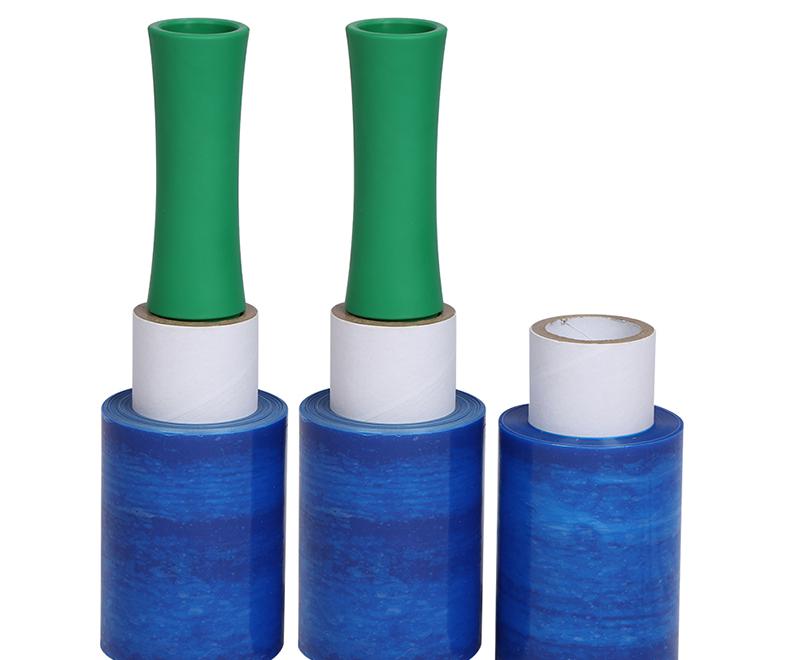
Many businesses wonder if manual stretch film can truly stand up to the rigors of shipping and storage. The perception often exists that only machine-applied film offers superior strength. However, handy stretch film, when chosen and used appropriately, provides ample strength for countless applications. Its effectiveness isn't just about raw material strength, but also about how its inherent properties translate into practical protection. Let's delve into the factors that contribute to handy stretch film's strength and how to maximize its protective capabilities.
Table of Contents
-
How Does Proper Application Maximize Handy Stretch Film's Strength?
-
For What Types of Loads Is Handy Stretch Film Strong Enough?
-
How Can You Enhance the Strength of Handy Stretch Film Applications?
1. What Factors Determine Handy Stretch Film's Strength?
Are you curious about what makes handy stretch film robust for packaging? Handy stretch film's strength is primarily determined by its material composition (typically LLDPE), gauge (thickness), tensile strength, and puncture resistance, all of which contribute to its ability to secure and protect loads effectively.
1.1 Material Composition and Gauge
The fundamental strength of handy stretch film begins with its raw material. Most stretch films, including handy types, are made from Linear Low-Density Polyethylene (LLDPE). This polymer is known for its excellent stretchability, puncture resistance, and cling properties. The "gauge" or thickness of the film is another critical factor. Measured in microns or mil, a higher gauge generally indicates a stronger, more robust film. Dongguan Zhiteng Plastic Products Co., Ltd. specializes in various stretch films, including PE stretch film, which is known for its "moisture-proof, low moisture permeability" and overall strength.
- Example 1: Standard Gauge Film: A common handy stretch film might be 15-20 microns (60-80 gauge). This thickness is strong enough for securing most standard boxes on a pallet, providing adequate containment and protection against dust and minor abrasions.
- Example 2: Heavy-Duty Gauge Film: For heavier or more abrasive loads, a handy stretch film of 23-30 microns (90-120 gauge) would offer significantly increased puncture resistance and load retention. This extra thickness provides a stronger barrier against sharp edges or rough handling.
1.2 Tensile Strength and Puncture Resistance
Beyond just thickness, the inherent tensile strength and puncture resistance of the film are crucial indicators of its protective capabilities. Tensile strength refers to the maximum stress the film can withstand before breaking when stretched. A higher tensile strength means the film can be pulled tighter, creating a more secure wrap. Puncture resistance is the film's ability to resist penetration by sharp objects or corners, which is vital for protecting goods from damage during transit. Zhiteng's products emphasize "excellent tensile strength," directly addressing this critical aspect of film performance.
- Example 1: Securing Heavy Boxes: When wrapping a pallet of heavy, dense boxes, a handy stretch film with high tensile strength ensures that the film maintains its integrity even under significant tension, preventing the load from shifting.
- Example 2: Protecting Items with Sharp Edges: For items like metal parts or wooden crates with sharp corners, a handy stretch film with superior puncture resistance acts as a protective barrier, preventing the film from tearing and exposing the product to damage. This is where Zhiteng's focus on quality materials becomes evident.
Practical advice for assessing film strength involves checking the product specifications provided by the manufacturer. Look for details on gauge, tensile strength (often expressed in PSI or MPa), and puncture resistance (often measured in grams or pounds). Don't just assume all handy films are the same; quality varies.
2. How Does Proper Application Maximize Handy Stretch Film's Strength?
Does the way you apply handy stretch film really make a difference to its strength? Proper application techniques, including consistent tension, adequate overlap, and securing the load to the pallet, are crucial for maximizing handy stretch film's inherent strength and ensuring optimal load stability and protection.
2.1 Consistent Tension and Overlap
The effectiveness of handy stretch film's strength is heavily reliant on how it's applied. Consistent tension during wrapping is vital. If the film is applied too loosely, it won't provide adequate containment. If pulled too tightly in one spot, it might tear prematurely. Proper overlap, typically 50% (meaning each new layer covers half of the previous one), ensures that the load is uniformly secured and that there are no weak points.
- Example 1: Spiral Wrapping Technique: When wrapping a pallet, starting at the bottom and spiraling upwards with consistent tension and a 50% overlap ensures that the entire load is unitized effectively. This technique maximizes the film's elastic recovery, creating a tight, secure wrap that prevents shifting.
- Example 2: Bundling Small Items: For bundling items like pipes or lumber, applying several wraps with firm, even tension ensures that the bundle remains cohesive and doesn't unravel. Zhiteng's "bundling stretch film" is designed to perform well with such manual tension.
2.2 Securing the Load to the Pallet
A common mistake that undermines the strength of any stretch film application is failing to properly secure the load to the pallet itself. The film should be wrapped around the base of the pallet, ideally through the pallet's openings, to create a strong bond between the goods and the pallet. This "locking" technique prevents the entire load from sliding off the pallet during handling or transit.
-
Example 1: Pallet Lock: Wrapping the first few layers of handy stretch film around the bottom of the pallet, ensuring it catches the pallet deck, creates a "pallet lock." This significantly enhances the overall stability of the unitized load, making it much stronger against lateral forces. Zhiteng emphasizes that stretch film is "the most economical and effective way to ensure cartons stay on pallets."
-
Example 2: Reinforcing Corners: For loads with sharp or heavy corners, applying extra wraps of handy stretch film specifically around these vulnerable areas can provide additional reinforcement, preventing tears and enhancing the overall strength of the wrap.
Practical advice for maximizing strength includes training staff on best practices for manual wrapping. Providing ergonomic dispensers with adjustable tension can also help operators maintain consistent tension and reduce fatigue, leading to more effective wraps.
3. For What Types of Loads Is Handy Stretch Film Strong Enough?
Are you wondering if handy stretch film can handle your specific products? Handy stretch film is strong enough for a wide variety of loads, including standard palletized boxes, bundled items, and irregularly shaped goods, particularly for low to moderate volume applications where manual control is beneficial.
3.1 Standard Palletized Goods
For the vast majority of standard palletized goods—such as boxes of consumer products, electronics, or packaged foods—handy stretch film provides ample strength. When applied correctly, it effectively unitizes these loads, preventing shifting and offering protection against dust and moisture during storage and transit.
-
Example 1: Retail Store Deliveries: A retail store receiving pallets of merchandise (e.g., clothing, household goods) often finds handy stretch film perfectly adequate for securing these loads from the distribution center to the store. The film's strength ensures the integrity of the pallet during unloading and stocking.
-
Example 2: Warehouse Transfers: For internal transfers of goods between different sections of a warehouse or between nearby facilities, handy stretch film offers sufficient strength to keep loads stable and protected over short distances. Zhiteng's "PE stretch film" is ideal for these common applications, offering "moisture-proof, low moisture permeability."
3.2 Bundled Items and Irregular Shapes
Handy stretch film truly shines when it comes to bundling smaller items or securing irregularly shaped goods. The manual control allows the operator to apply film precisely where needed, creating a strong, custom fit that a machine might struggle to achieve. This targeted application maximizes the film's strength for unique challenges.
-
Example 1: Bundling Lumber or Pipes: Construction suppliers frequently use handy stretch film to bundle lengths of lumber, PVC pipes, or metal rods. The film's strength keeps these items together, preventing them from scattering and making them easier to handle and transport. Zhiteng's "bundling stretch film" is specifically designed for this purpose.
-
Example 2: Securing Machine Parts: When shipping individual machine parts that have protrusions or delicate components, handy stretch film can be wrapped around specific areas to provide localized protection and containment, leveraging its strength to prevent movement and damage.
Practical advice for using handy stretch film on these types of loads includes selecting a film with good puncture resistance and potentially using corner protectors or edge boards to further safeguard vulnerable areas and distribute pressure.
4. When Might Handy Stretch Film's Strength Be Insufficient?
Are there situations where handy stretch film might not be strong enough? Handy stretch film's strength might be insufficient for extremely heavy, unstable, or abrasive loads, or for very high-volume operations where the consistent, high-tension wrap of a machine is required for optimal security and efficiency.
4.1 Extremely Heavy or Unstable Loads
While handy stretch film is strong, there are limits to its manual application. For exceptionally heavy loads (e.g., several tons) or loads that are inherently very unstable (e.g., tall stacks of uneven items), the consistent, high-tension wrap provided by a stretch wrapping machine is often necessary. Manual application might not generate enough consistent force to adequately secure these challenging loads.
-
Example 1: Pallets of Bricks or Concrete Blocks: These extremely heavy and dense loads require maximum containment force to prevent shifting. A machine wrapper can apply hundreds of pounds of consistent tension, which is difficult to replicate manually, making handy film potentially insufficient for long-distance transport.
-
Example 2: Very Tall, Unstable Stacks: A pallet stacked very high with lightweight but unstable items might require the precise, multi-layer wrapping pattern of a machine to prevent swaying and collapse, which can be challenging to achieve with manual application.
4.2 Very Abrasive Loads or High-Volume Needs
Loads with very sharp, abrasive surfaces (e.g., exposed metal edges, rough timber) can challenge the puncture resistance of even strong handy stretch film. While thicker handy film helps, a machine can often apply specialized, tougher films or more layers with greater consistency. Additionally, for very high-volume operations, the sheer speed and consistency of machine application become a strength factor in themselves, as manual wrapping simply cannot keep up or maintain the same level of uniform security across hundreds of pallets.
-
Example 1: Unfinished Metal Components: Pallets of unfinished metal parts with sharp burrs or edges can easily tear standard handy stretch film. While a thicker handy film might work, a machine could apply a specialized, high-puncture-resistance film more effectively and consistently.
-
Example 2: Large Distribution Centers: In a facility processing thousands of pallets daily, relying solely on handy stretch film would lead to significant labor costs, inconsistent wraps, and potential delays, making its strength insufficient for the operational demands. Zhiteng's "machine stretch film" is specifically designed for these high-volume, high-demand scenarios.
Practical advice for these situations is to consider a hybrid approach. Use handy stretch film for smaller, less demanding tasks, but invest in a stretch wrapper for your core, high-volume, or challenging loads. Always test your chosen film with your specific products to ensure adequate protection.
5. How Can You Enhance the Strength of Handy Stretch Film Applications?
Are you looking for ways to make your handy stretch film applications even stronger? You can enhance the strength of handy stretch film applications by using higher gauge film, applying more wraps, incorporating corner protectors, and ensuring proper pallet preparation, all of which contribute to greater load stability and protection.
5.1 Using Higher Gauge Film and More Wraps
One of the most direct ways to increase the strength of a handy stretch film application is to use a higher gauge (thicker) film. A thicker film inherently offers greater tensile strength and puncture resistance. Additionally, simply applying more wraps around the load creates multiple layers of film, effectively increasing the overall strength and containment force.
-
Example 1: Upgrading Film Gauge: If a standard 15-micron handy film isn't quite strong enough for a particular load, switching to a 20 or 23-micron film can provide a noticeable boost in strength without requiring a machine. Zhiteng offers various film thicknesses to meet diverse needs.
-
Example 2: Increasing Wrap Count: For a load that feels slightly unstable, adding an extra 2-3 wraps around the middle and top sections can significantly improve its stability and resistance to shifting, leveraging the film's "high shrinkage" for a tighter hold.
5.2 Incorporating Corner Protectors and Proper Pallet Preparation
To further enhance the strength and protective capabilities of handy stretch film, consider using supplementary packaging materials. Corner protectors (made of cardboard or plastic) can be placed on the vertical edges of a palletized load before wrapping. These distribute the film's tension more evenly, prevent the film from tearing on sharp corners, and add structural integrity to the load. Proper pallet preparation, such as ensuring boxes are stacked squarely and without overhang, also contributes to a stronger, more stable wrap.
-
Example 1: Protecting Fragile Boxes: When wrapping a pallet of fragile boxes, placing cardboard corner protectors on all eight vertical corners before applying handy stretch film prevents the film from crushing the box edges and provides a more robust, stable unit.
-
Example 2: Stable Stacking: Ensuring that boxes are stacked in an interlocking pattern and do not overhang the pallet's edges creates a more inherently stable load. This allows the handy stretch film to work more effectively in unitizing the load, maximizing its strength.
Practical advice for maximizing strength includes a holistic approach to packaging. The film is one component; proper stacking, dunnage, and supplementary materials all contribute to the overall strength and security of your shipment. Zhiteng's commitment to "quality, service, and environmental protection" ensures that their films are a reliable foundation for your packaging needs.
Conclusion
In conclusion, handy stretch film is indeed strong enough for a vast array of packaging applications, particularly when its inherent material properties are understood and combined with proper application techniques. Its strength is derived from its LLDPE composition, gauge, tensile strength, and puncture resistance. By applying it with consistent tension, adequate overlap, and securing the load to the pallet, you can maximize its protective capabilities for standard palletized goods, bundled items, and irregular shapes. While there are limits for extremely heavy or unstable loads, these can often be mitigated by using higher gauge film, applying more wraps, and incorporating supplementary materials like corner protectors. Ultimately, handy stretch film remains a highly effective, versatile, and strong solution for businesses seeking reliable load stability and product protection without the need for automated machinery.
Recommended Products
Ranked in the same article
- how to use the stretch film technology to r
- How can we get detailed price list?
- Gauge to Micron and Millimetre Conversion G
- Five common quality problems of PE protecti
- Plastic film degradation
- How to guarantee punctual shipment for our
- What is the difference between stretch film
- Testing the permeability of stretch film
- Stretch film temperature requirements
- 2025 Guangzhou Packaging Expo Opens, Zhiten
- Electrical wire film VS electrostatic film
Latest news articles
- The Ultimate Guide to Hand Stretch Film: Ev
- Bundling Stretch Film: The Ultimate Guide f
- What is Bundling Stretch Film? Your Packagi
- SWOP - SHANGHAI WORLD OF PACKAGING 2019
- What effects can different colours of Color
- How to identify high quality flexible stret
- Our services
- how to use the stretch film technology to r
- Why does stretch film wrinkle when it is us
- Unraveling the Science: What Factors Influe
- What Role Does Material Science Play in Enh