
Handy Stretch Film vs Shrink Wrap: What’s Better?
Source:Handy Stretch Film vs Shrink Wrap: What’s Better?Time:2025-11-27Visitors:
Choosing between handy stretch film and shrink wrap depends entirely on your specific packaging needs, as each offers distinct advantages in application, protection, and cost. Handy stretch film excels in load stability and dust protection for palletized goods, while shrink wrap provides a tighter, more tamper-evident seal for individual items or smaller bundles.
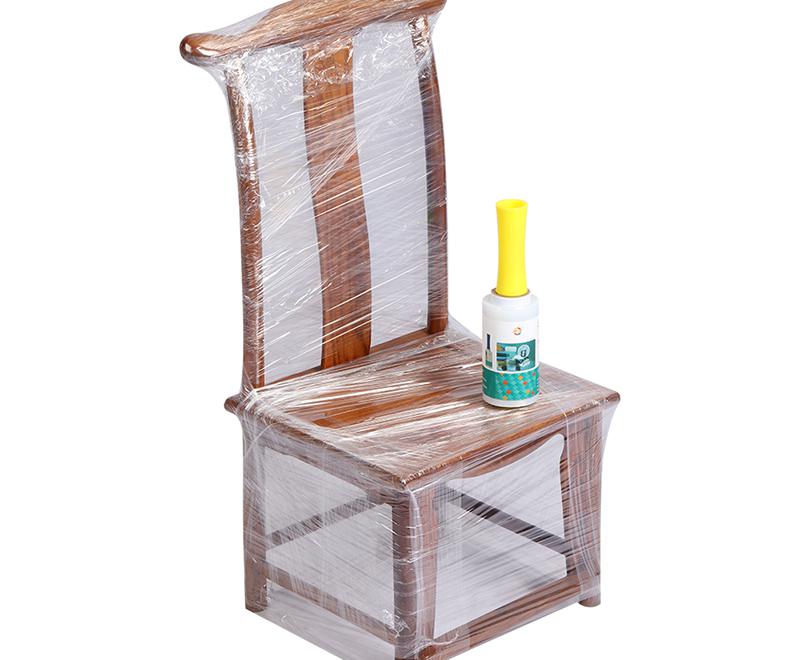
In the world of packaging, two common materials often come into play: stretch film and shrink wrap. While both are plastic films used for securing and protecting goods, they operate on fundamentally different principles and are best suited for different applications. Understanding these differences is key to making an informed decision that optimizes your packaging process, protects your products, and manages costs effectively. Let's break down the characteristics of handy stretch film and shrink wrap to determine which is the better choice for various scenarios.
Table of Contents
-
How Do Application Methods Differ Between Handy Stretch Film and Shrink Wrap?
-
How Do Protection Capabilities Compare: Handy Stretch Film vs. Shrink Wrap?
1. What is Handy Stretch Film and How Does It Work?
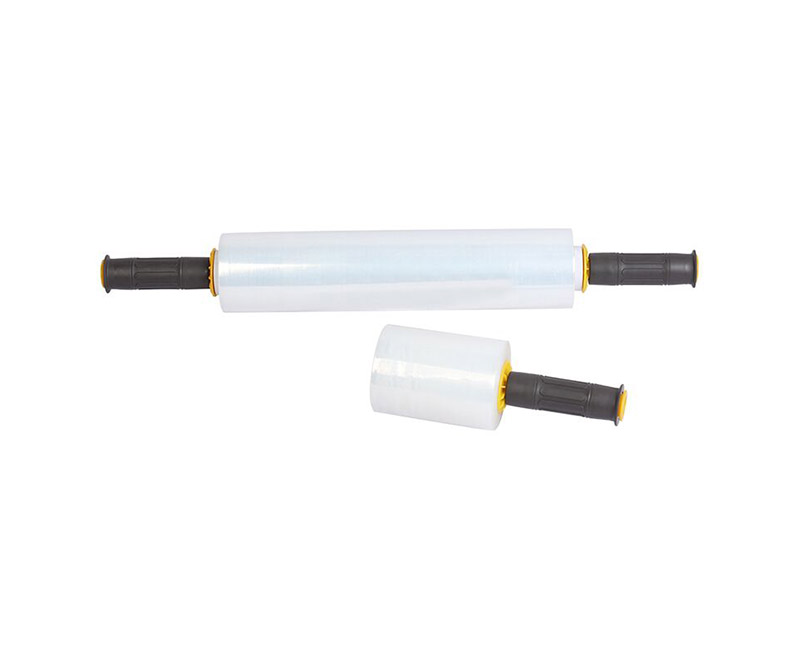
Are you curious about the mechanics behind handy stretch film? Handy stretch film is a highly elastic plastic film, typically made from LLDPE, that works by being stretched and wrapped around items or palletized loads. Its elastic recovery then creates a tight, cohesive force that unitizes and secures the contents without the need for heat.
1.1 Material and Core Functionality
Handy stretch film, often referred to as manual stretch wrap, is predominantly made from Linear Low-Density Polyethylene (LLDPE). This material gives the film its characteristic elasticity and cling properties. The core functionality of stretch film relies on its ability to be stretched significantly (up to 300% for machine film, less for handy film) and then "recover" or try to return to its original length. This recovery force is what holds the load tightly together. Dongguan Zhiteng Plastic Products Co., Ltd. specializes in various types of stretch film, including "PE stretch film," known for its "excellent tensile strength" and "high shrinkage," which are key to its functionality.
-
Example 1: Pallet Unitization: When a worker manually wraps a pallet of boxes with handy stretch film, they stretch the film as they go. The film's elastic memory then pulls the boxes inward, creating a single, stable unit that resists shifting during transport. This is crucial for ensuring "cartons stay on pallets."
-
Example 2: Bundling Items: For bundling items like pipes or lumber, handy stretch film is stretched around the items. The film's cling and elastic force keep the bundle tight and cohesive, preventing individual pieces from scattering. Zhiteng's "bundling stretch film" is designed for this specific application.
1.2 Key Properties and Advantages
Beyond its elastic recovery, handy stretch film offers several other key properties that contribute to its effectiveness. Its inherent cling allows layers to stick to each other without adhesive, creating a continuous barrier. It also provides good puncture resistance, protecting goods from minor abrasions and tears. Furthermore, its transparency allows for easy visual inspection of contents, which is beneficial for inventory management and security.
-
Example 1: Dust and Moisture Protection: A pallet wrapped with handy stretch film creates a barrier that protects the goods from dust accumulation in a warehouse and offers a degree of moisture resistance during transit. Zhiteng's film is explicitly "moisture-proof, dust-proof."
-
Example 2: Tamper Deterrence: While not tamper-proof, a tightly wrapped pallet with handy stretch film makes it evident if the load has been disturbed, as any access would require tearing the film. Zhiteng's "printed stretch film" can further enhance this by making tampering more noticeable.
Practical advice for maximizing handy stretch film's advantages includes ensuring consistent tension during application and adequate overlap between layers to create a strong, cohesive wrap. Using a simple dispenser with a handle can also improve application efficiency and consistency.
2. What is Shrink Wrap and How Does It Work?
Are you wondering how shrink wrap achieves its tight, form-fitting seal? Shrink wrap is a polymer plastic film that works by shrinking tightly around an item or group of items when heat is applied. This heat-induced contraction creates a secure, form-fitting, and often tamper-evident package.
2.1 Material and Core Functionality
Shrink wrap is typically made from polyolefin (POF), PVC, or polyethylene (PE), with POF being the most common for general packaging due to its clarity and strength. Unlike stretch film, shrink wrap does not rely on elasticity for its hold. Instead, it's manufactured to "shrink" when exposed to heat. The film is loosely placed over or around an item, and then heat (from a heat gun, tunnel, or oven) is applied, causing the film to contract tightly around the product, conforming to its exact shape.
-
Example 1: Product Bundling: A common use is bundling multiple small products, like bottles of shampoo or packs of batteries, into a single retail unit. The shrink wrap creates a tight, clear package that holds them together securely.
-
Example 2: Individual Product Protection: For items like software boxes, DVDs, or fresh produce, shrink wrap provides a clear, protective, and often tamper-evident seal that enhances presentation and hygiene.
2.2 Key Properties and Advantages
Shrink wrap's primary advantages lie in its ability to create a very tight, often airtight, and aesthetically pleasing package. It offers excellent clarity, making products highly visible, and provides a strong barrier against dust, dirt, and moisture. The tight seal also makes it highly tamper-evident, as any attempt to open the package will result in visible damage to the film.
-
Example 1: Retail Presentation: For products displayed on shelves, shrink wrap provides a professional, glossy finish that enhances product appeal while protecting it from handling and dust.
-
Example 2: Tamper Evidence: In industries where product integrity is critical (e.g., food, pharmaceuticals), shrink wrap offers a clear visual indicator if a product has been opened or tampered with before purchase.
Practical advice for using shrink wrap involves selecting the correct film type and thickness for your product and ensuring you have an appropriate heat source. Overheating can damage the product or melt the film, while insufficient heat will result in a loose, ineffective wrap.
3. How Do Application Methods Differ Between Handy Stretch Film and Shrink Wrap?
Are you wondering about the practical steps involved in using each film? Handy stretch film is applied manually by stretching and wrapping, requiring no heat or power, making it highly portable. Shrink wrap, conversely, requires a heat source to activate its shrinking properties, which can range from a handheld heat gun to automated heat tunnels.
3.1 Handy Stretch Film Application
The application of handy stretch film is straightforward and requires minimal equipment. An operator simply takes a roll of film, often with a simple dispenser handle, and manually wraps it around the items or pallet. The film is stretched as it's applied, and its natural cling allows layers to adhere to each other.
-
Example 1: Manual Pallet Wrapping: A warehouse worker walks around a pallet, stretching and wrapping the film from the bottom up, ensuring overlap and consistent tension. This process is quick, requires no electricity, and can be done anywhere. Zhiteng's "handy stretch film" is designed for this exact manual application.
-
Example 2: Bundling Small Items: An operator can quickly bundle a few electrical wires or small boxes by hand-wrapping them with a narrow roll of handy stretch film, securing them for storage or transport. Zhiteng's "electrical wire film" is perfect for such tasks.
3.2 Shrink Wrap Application
Shrink wrap application is a two-step process. First, the item is loosely enclosed in the shrink film. This can involve bagging the item, wrapping it with a flat sheet, or using a center-folded film. Second, heat is applied. For low volumes, a handheld heat gun is used. For higher volumes, items pass through a heat tunnel, where controlled heat causes the film to shrink uniformly.
-
Example 1: Using a Heat Gun: A small business packaging gift baskets might place each basket in a shrink bag, then use a handheld heat gun to carefully shrink the film around the basket, creating a clear, protective, and attractive package.
-
Example 2: Automated Heat Tunnel: A food manufacturer packaging frozen meals would use an automated system where meals are placed on a conveyor, wrapped in shrink film, and then passed through a heat tunnel for rapid, consistent shrinking.
Practical advice for comparing application methods includes considering your volume, available space, and power access. If you have low volume, no power, or need extreme portability, handy stretch film is superior. For high volume, consistent, aesthetic, and tamper-evident packaging, shrink wrap with a heat tunnel is more efficient.
4. How Do Protection Capabilities Compare: Handy Stretch Film vs. Shrink Wrap?
Are you prioritizing specific types of product protection? Handy stretch film excels at unitizing loads, preventing shifting, and offering dust/moisture resistance for palletized goods. Shrink wrap provides superior form-fitting protection, tamper evidence, and a tighter seal against environmental factors for individual items or smaller bundles.
4.1 Load Stability and Containment
For securing large, palletized loads, handy stretch film is generally superior in terms of load stability and containment. Its elastic recovery creates a powerful compressive force that holds multiple items together as a single, stable unit, preventing them from shifting or falling during transit. Shrink wrap, while it can be used for pallet wrapping, doesn't offer the same dynamic containment force as stretch film.
-
Example 1: Pallet of Boxes: A pallet of stacked boxes wrapped with handy stretch film will remain stable even if the pallet is tilted or jostled, thanks to the film's continuous tension. This is critical for "warehouse distribution" and ensuring "cartons stay on pallets."
-
Example 2: Heavy Machinery Parts: For securing heavy, bulky items to a pallet, the high tensile strength and elastic recovery of stretch film are essential to prevent movement.
4.2 Environmental Barrier and Tamper Evidence
Shrink wrap typically offers a more complete and often airtight seal, providing superior protection against dust, dirt, and moisture for individual items. Its tight, form-fitting nature also makes it highly tamper-evident; any attempt to open the package will result in obvious damage to the film. While stretch film provides a good barrier, its layers are not fused, making it less airtight and slightly less tamper-evident than shrink wrap.
-
Example 1: Protecting Perishable Goods: For food items or electronics sensitive to moisture, shrink wrap provides a tighter, more effective seal against humidity and contaminants.
-
Example 2: High-Value Retail Items: Products where tamper evidence is crucial for consumer trust (e.g., software, pharmaceuticals) benefit from shrink wrap's clear indication of interference.
Practical advice for comparing protection capabilities involves assessing the specific vulnerabilities of your product. If load stability on a pallet is paramount, stretch film is better. If individual product protection, aesthetics, and tamper evidence are key, shrink wrap is the superior choice.
5. What Are the Cost and Efficiency Considerations?
Are you weighing the financial and operational impact of each packaging method? Handy stretch film generally has lower initial costs and no energy consumption, making it cost-effective for lower volumes. Shrink wrap, while requiring investment in heat equipment and energy, can be highly efficient for high-volume, consistent packaging.
5.1 Initial Investment and Operating Costs
The initial investment for handy stretch film is minimal, typically just the cost of the film rolls and an optional dispenser handle. There are no energy costs associated with its application. Shrink wrap, however, requires an investment in heat equipment—ranging from an inexpensive heat gun to a costly heat tunnel—and incurs ongoing energy costs for heating.
-
Example 1: Small E-commerce Business: A small online retailer can start packaging with handy stretch film for a few dollars, avoiding any significant capital outlay. This aligns with Zhiteng's focus on "lowering the cost of collective packaging."
-
Example 2: Large Manufacturing Plant: A large plant might invest tens of thousands in an automated shrink wrap system, but the per-unit cost of packaging becomes very low due to high speed and efficiency.
5.2 Efficiency and Throughput
For low-volume or intermittent packaging needs, handy stretch film is highly efficient due to its immediate deployment and lack of setup time. However, for high-volume, consistent packaging, automated shrink wrap systems (with heat tunnels) offer significantly higher throughput and efficiency, reducing labor costs per unit.
-
Example 1: Ad-hoc Palletizing: A small workshop needing to palletize an occasional shipment will find handy stretch film highly efficient, as it's always ready to go.
-
Example 2: Mass Production Line: A beverage company packaging thousands of multi-packs per hour would rely on a high-speed shrink wrap tunnel for maximum efficiency and consistent results.
Practical advice for cost and efficiency involves a thorough analysis of your packaging volume and consistency. If you have fluctuating or low volumes, handy stretch film is likely more cost-effective. If you have high, consistent volumes, the initial investment in shrink wrap equipment will pay off in long-term efficiency.
6. When Should You Choose Handy Stretch Film?
Are you unsure if handy stretch film is the right choice for your operation? You should choose handy stretch film when you need to unitize and stabilize palletized loads, protect goods from dust and moisture, bundle irregular items, or require a portable, low-cost packaging solution without access to power or heat.
6.1 Pallet Unitization and Load Stability
Handy stretch film is the undisputed champion for unitizing and stabilizing palletized loads. Its elastic recovery creates a powerful compressive force that holds multiple items together, preventing shifting and damage during handling and transportation. This is its primary and most effective application.
-
Example 1: Warehouse and Logistics: For any business that ships goods on pallets, from small distributors to large warehouses, handy stretch film is essential for ensuring load integrity. Zhiteng's "machine stretch film" and "handy stretch film" are core products for this purpose.
-
Example 2: Inter-facility Transfers: When moving goods between different company locations, handy stretch film provides reliable stability for the journey.
6.2 Bundling and Irregular Items
The manual application of handy stretch film makes it ideal for bundling items of various shapes and sizes, especially those that are irregular or difficult to handle with automated systems. The operator can precisely control the tension and coverage.
-
Example 1: Construction Materials: Bundling pipes, lumber, or conduit at a job site or in a lumberyard is a perfect application for handy stretch film. Zhiteng's "bundling stretch film" is specifically designed for this.
-
Example 2: Furniture Components: Securing various parts of a furniture set together for shipping, ensuring no pieces are lost or damaged.
6.3 Low Volume, Portability, and Cost-Effectiveness
For businesses with low packaging volumes, intermittent needs, or those requiring a highly portable solution without power requirements, handy stretch film is the most cost-effective and practical choice.
-
Example 1: Small Businesses/Startups: New businesses with limited capital can start packaging immediately with minimal investment.
-
Example 2: Mobile Operations: Field service teams or event organizers can easily carry and use handy stretch film wherever needed.
7. When Should You Choose Shrink Wrap?
Are you considering shrink wrap for your products? You should choose shrink wrap when you need a tight, form-fitting, tamper-evident, and aesthetically pleasing package for individual items, product bundles, or retail display, especially for high-volume operations where a heat source is readily available.
7.1 Individual Product Packaging and Retail Display
Shrink wrap excels at providing a clear, glossy, and form-fitting package for individual products, enhancing their aesthetic appeal and protecting them from dust, dirt, and moisture. It's ideal for items sold directly to consumers.
-
Example 1: Consumer Goods: Packaging electronics, cosmetics, toys, or food items for retail shelves.
-
Example 2: Gift Sets: Creating attractive and secure bundles of multiple products for promotional or gift purposes.
7.2 Tamper Evidence and Airtight Seals
When product integrity and security are paramount, shrink wrap's ability to create a tight, often airtight, and highly tamper-evident seal makes it the preferred choice. Any attempt to open the package will result in visible damage.
-
Example 1: Pharmaceuticals and Food: Packaging products where hygiene and tamper protection are critical for consumer safety.
-
Example 2: Software and Media: Protecting high-value items from unauthorized access or damage.
7.3 High Volume and Consistent Packaging
For operations with high, consistent packaging volumes, automated shrink wrap systems (with heat tunnels) offer unparalleled speed, efficiency, and uniform results, making them highly cost-effective in the long run despite the initial investment.
-
Example 1: Manufacturing Production Lines: Integrating shrink wrapping into a continuous production line for rapid packaging of finished goods.
-
Example 2: Large-Scale Bundling: Efficiently bundling thousands of multi-packs or promotional items daily.
Conclusion
The choice between handy stretch film and shrink wrap is not about one being inherently "better" than the other, but rather about selecting the optimal solution for your specific packaging requirements. Handy stretch film is the workhorse for load stability, unitization of palletized goods, and flexible bundling, offering cost-effectiveness and portability without the need for heat. Shrink wrap, conversely, provides superior individual product protection, tamper evidence, and aesthetic appeal, making it ideal for retail-ready items and high-volume operations that can leverage heat-activated sealing. By carefully evaluating your product type, volume, protection needs, and budget, you can confidently choose the film that best serves your business goals, ensuring your products are packaged efficiently, securely, and effectively.
Recommended Products
Ranked in the same article
- how to use the stretch film technology to r
- How can we get detailed price list?
- Gauge to Micron and Millimetre Conversion G
- Five common quality problems of PE protecti
- Plastic film degradation
- How to guarantee punctual shipment for our
- What is the difference between stretch film
- Testing the permeability of stretch film
- Stretch film temperature requirements
- 2025 Guangzhou Packaging Expo Opens, Zhiten
- Electrical wire film VS electrostatic film
Latest news articles
- What is Bundling Stretch Film? Your Packagi
- Bundling Stretch Film: The Ultimate Guide f
- SWOP - SHANGHAI WORLD OF PACKAGING 2019
- How to identify high quality flexible stret
- Why does stretch film wrinkle when it is us
- The Ultimate Guide to Hand Stretch Film: Ev
- What Role Does Material Science Play in Enh
- how to use the stretch film technology to r
- Unraveling the Science: What Factors Influe
- What effects can different colours of Color
- Our services